-medium.webp)
Marriage is a fundamental event in Nepalese society, with cultural, social, and legal implications. Understanding the major characteristics of marriage under Nepalese family law is critical for anybody negotiating this significant life event, as it is governed by a combination of ancient customs and modern legal systems.
Marriage in Nepal is not merely a union between two individuals but a fusion of families, cultures, and traditions. Historically rooted in religious and cultural practices, the concept of marriage has undergone significant transformations, especially with the advent of modern legal frameworks. The introduction of the National Civil Code 2017 marked a pivotal shift, codifying various aspects of family law, including marriage, divorce, and inheritance. This article aims to elucidate the key features of marriage under Nepalese family law, providing a comprehensive understanding for those seeking to navigate this intricate domain.
Legal Age for Marriage
In Nepal, the legal age for marriage is explicitly defined to protect individuals from early and forced marriages. According to the National Civil Code 2017, both males and females must have attained the age of 20 to legally marry. This uniform age requirement underscores the state's commitment to ensuring that individuals enter into marriage with maturity and informed consent. Underage marriages, though culturally prevalent in certain communities, are deemed illegal and can lead to legal repercussions, including fines and imprisonment. Such measures aim to safeguard the rights of young individuals and promote their well-being.
Types of Recognized Marriages
Nepalese law recognizes various forms of marriage, reflecting the country's diverse cultural tapestry:
-
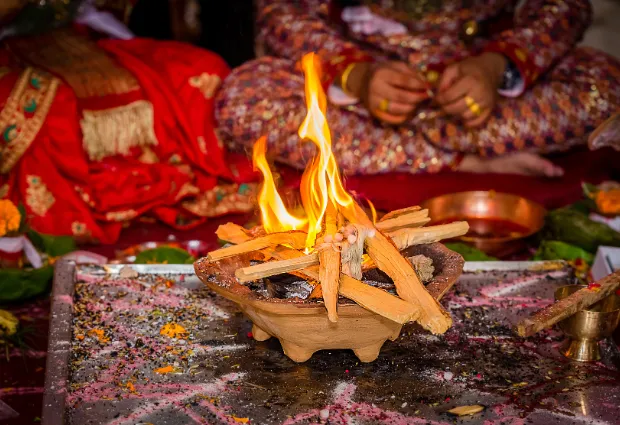
Traditional Marriages: These are conducted according to local customs and rituals prevalent among different ethnic and religious communities. While culturally significant, it's imperative that such marriages comply with national legal standards, including age and consent requirements.
-
Court Marriages: For couples seeking a secular and legally straightforward union, court marriages offer a viable option. This process involves registering the marriage directly with the court, bypassing traditional ceremonies. It's particularly favored by inter-caste or inter-religious couples seeking legal recognition without cultural constraints.
-
Inter-caste and Inter-religious Marriages: Nepalese law permits marriages between individuals of different castes and religions. Such unions are legally protected, and any discrimination or obstruction against them is punishable by law, promoting social integration and equality.
Marriage Registration Process in Nepal
Registering a marriage in Nepal is not merely a procedural formality but a crucial step in legitimizing the union and safeguarding the rights of both parties. The registration process involves:
-
Application Submission: The couple must submit a marriage application to the local ward office or the district court, depending on the type of marriage.
-
Document Verification: Essential documents, including citizenship certificates, proof of age, and marital status declarations, are verified by the authorities.
-
Public Notification: A public notice may be issued to invite any objections to the marriage, ensuring transparency.
-
Registration and Certification: Upon successful verification and absence of valid objections, the marriage is registered, and an official certificate is issued.
Failure to register a marriage can lead to complications in legal matters such as inheritance, property rights, and spousal entitlements.
Rights and Obligations of Spouses
Marriage under Nepalese law establishes a framework of rights and duties between spouses:
-
Mutual Support: Both partners are legally obligated to support each other emotionally, financially, and socially.
-
Fidelity and Cohabitation: Spouses are expected to maintain fidelity and live together, fostering a shared life.
-
Property Rights: Both parties have equal rights to acquire, own, and dispose of property, promoting economic partnership.
-
Parental Responsibilities: In cases of children, both parents share equal responsibilities in upbringing, education, and welfare.
These provisions aim to ensure equality and fairness within the marital relationship, reflecting the principles of mutual respect and partnership.
Prohibited Marriages
Nepalese family law delineates specific prohibitions to maintain social order and ethical standards:
-
Consanguinity: Marriages between close blood relatives, such as siblings or between parents and children, are strictly prohibited.
-
Affinity: Certain in-law relationships may also be barred from marriage to prevent familial conflicts.
Engaging in prohibited marriages can lead to legal annulment and potential criminal charges, emphasizing the importance of adhering to these restrictions.
Polygamy and Bigamy Laws
Polygamy and bigamy are illegal in Nepal. The law mandates monogamy, and entering into multiple marriages simultaneously is a punishable offense. Exceptions are minimal and strictly regulated. Violations can result in imprisonment and fines, and the subsequent marriages are considered void. This legal stance reinforces the commitment to monogamous unions and protects the rights of spouses and children.
Recent Publications