-medium.webp)
Table of Contents
This Article provides a basic overview of the Marriage System in Nepal including the types of marriage, procedure of Marriage Registration and the documents required for such registration.
What types of marriages are recognized in Nepal?
Nepal’s marriage system recognizes several types of marriages:
- Civil Marriage: This is a non-religious marriage registered with the government.
- Religious Marriage: Marriages performed according to Hindu, Buddhist, or other religious customs.
- Customary Marriage: Unions recognized by local customs and traditions.
- Court Marriage: A marriage solemnized in court, often used for inter-caste or inter-religious couples.
- Foreign Marriage: Marriages between Nepali citizens and foreigners, or between foreigners in Nepal.
All these types of marriages must be registered with the government to be legally recognized. The Marriage Registration Act of 1971 governs these registrations. It’s important to note that while different types of marriages are recognized, they all confer the same legal rights and responsibilities. The choice of marriage type often depends on personal, cultural, or religious preferences of the couple.
Is Polygamy Legal in Marriage System in Nepal?
Polygamy is illegal in Nepal’s current marriage system. Key points include:
- Legal prohibition: The Muluki Ain (Civil Code) of Nepal explicitly prohibits polygamy.
- Criminal offense: Practicing polygamy can result in fines and imprisonment.
- Exception: Polygamy is allowed only if the first wife has an incurable disease or is infertile.
- Cultural practice: Despite legal prohibition, polygamy still occurs in some rural areas.
- Awareness campaigns: The government conducts programs to educate people about the illegality of polygamy.
The law aims to protect women’s rights and ensure equality in marriages. However, enforcement can be challenging, especially in remote areas where traditional practices persist. Any subsequent marriage while already married is considered null and void under Nepali law, unless it falls under the specific exceptions mentioned. Those found guilty of polygamy can face up to three years in prison and a fine.
What’s the Process for Religious Marriages in Nepal?
The process for religious marriages in Nepal typically involves these steps:
This often includes rituals specific to the religion, such as Hindu vedic ceremonies or Buddhist blessings.
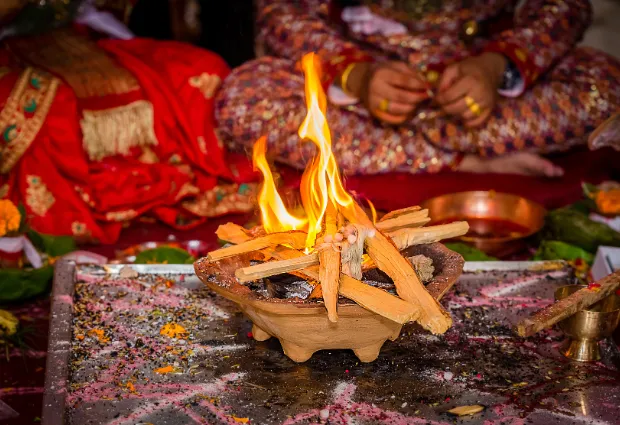
- Religious ceremony: The marriage is conducted according to religious customs. This often includes rituals specific to the religion, such as Hindu vedic ceremonies or Buddhist blessings.
- Witness presence: The ceremony is usually attended by family, friends, and community members. Witnesses play an important role in validating the marriage socially and legally.
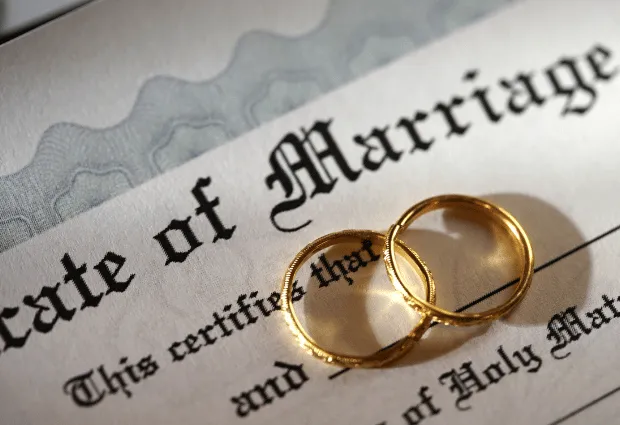
- Documentation: Religious officials may provide a certificate of marriage. While not legally binding on its own, this document can be used in the registration process.
- Civil registration: The marriage must be registered with local government authorities. This step is crucial for legal recognition, regardless of the religious ceremony performed.
- Legal requirements: Both parties must meet legal age and consent requirements. Even in religious marriages, legal standards for age and free consent must be met.
Religious marriages are respected in Nepal, but legal registration is necessary for official recognition. This dual process ensures both cultural respect and legal protection for the couple.
Disclaimer: This article is for informational purposes only and shall not be construed as legal advice, advertisement, personal communication, solicitation or inducement of any sort from the firm or any of its members. The firm shall not be liable for consequences arising out of any action undertaken by any person relying on the information provided herein.
Recent Publications